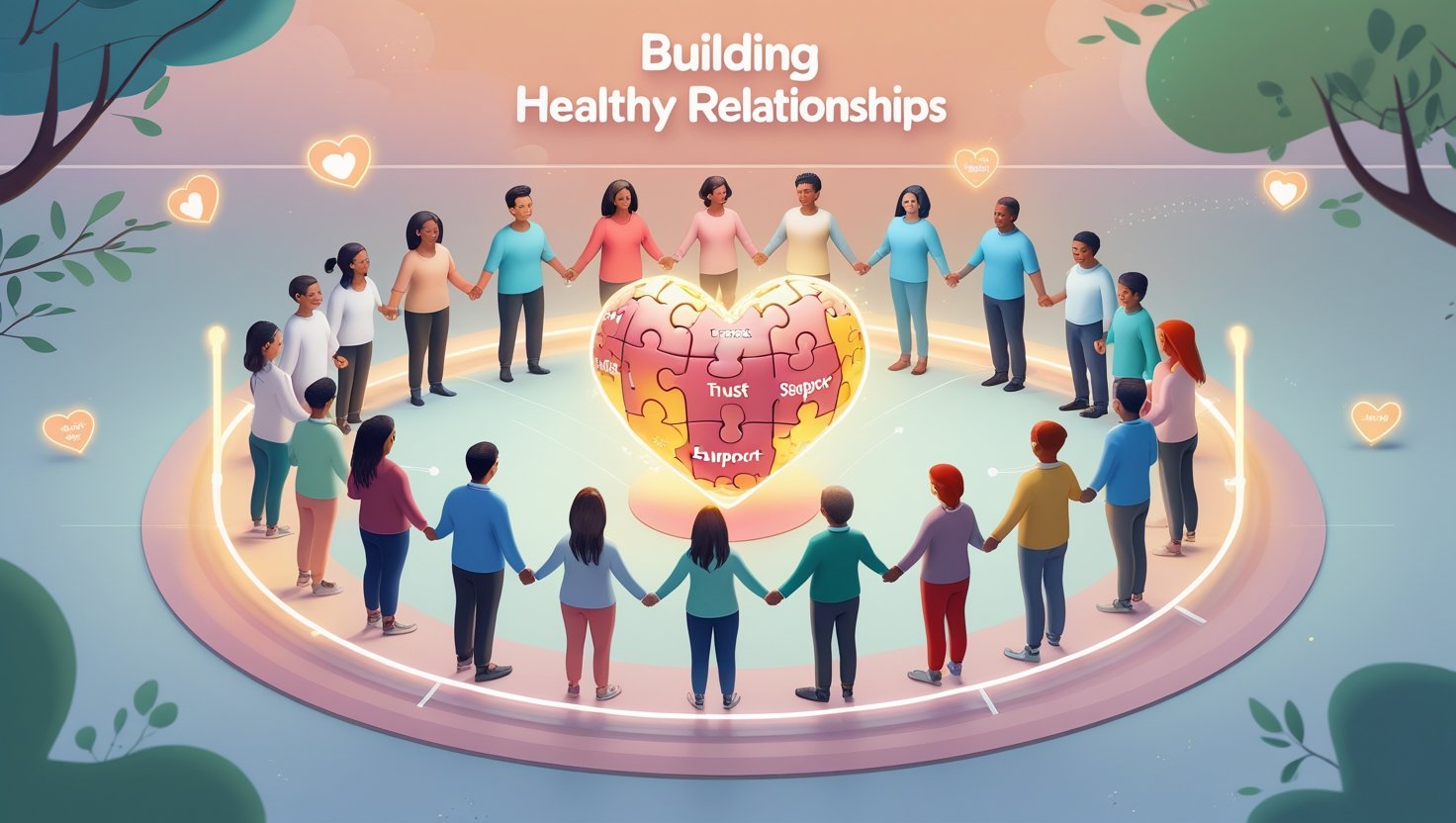
Relationships have a very deep impact on human life, be it friendship, family relationships, or a life partner. These relationships not only provide emotional support but also have a great impact on our physical and mental health. When we are in a relationship based on good understanding and trust with someone, we are happier, feel less stress, and enjoy life better. This blog sheds light on the topic of how healthy relationships positively affect our overall health.
Research has shown that when the social support system is strong, a person is more resilient, recovers from illnesses faster, and is less prone to anxiety and depression. On the other hand, when a person is lonely or his relationships are toxic, his physical and mental health is negatively affected. Therefore, we must understand our relationships, improve them, and recognize their importance.
In this blog we will look at what the science of healthy relationships says, what kind of relationships have a positive impact on health, how toxic relationships cause harm and how we can improve our connections to bring both peace and health to our lives. This guide will help you take your social life in a positive direction.
The Science Behind Human Connection:
Human connection is not just limited to friendship or love, there is science behind it as well. When we spend time with someone close to us or feel their support, our brain releases certain chemicals such as oxytocin, which is called the “love hormone”. This hormone increases trust and bonding and reduces the stress hormone cortisol. Research also shows that people who have strong social connections have a more active immune system and are protected from chronic diseases. Social isolation or loneliness is as harmful to a person as smoking or an unhealthy lifestyle. This is why doctors also say that a strong social support network is essential for both mental and physical health.
When a person is part of a group, their self-worth increases, and he is less prone to depression. The human brain is designed in such a way that it considers interaction and belonging as important. If these feelings are not felt, the risk of anxiety and low self-esteem due to loneliness increases. All this proves that self-respectful relationships are a basic need for a human being. These are not just luxuries but a part of survival. The purpose of this section is to understand that science also supports the fact that social connections are essential for a happy life.
Types of Healthy Relationships and Their Benefits:
Healthy relationships can be of many types, and each relationship has its basis. First of all, family relationships are the foundation for emotional development and support. The love and guidance of parents, siblings, and spouses give a person confidence at every stage of life. Then come friendships, which are a source of relaxation and happiness. A good friend not only supports you always, but also boosts your mental health. Spending time with friends releases dopamine, which improves mood. Romantic relationships are also important for health, but only when there is mutual respect, trust, and communication in them. Such relationships provide emotional security, which reduces stress.
Professional relationships also hold importance, just as good teamwork and understanding make work with colleagues easier. Every type of healthy relationship gives a sense of belonging to a person and brings positivity to his/her life. These relationships reduce a person’s stress level, keep blood pressure under control, and heart health also improves. People often care for physical fitness and diet, but not for social wellness. While research says that good relationships also play a similar role. Therefore, every person must understand all these types of relationships in their life, give them time, and respect them.
How Toxic Relationships Harm Your Health:
Just like healthy relationships bring peace and health in life, toxic relationships cause a lot of damage to a person’s mental and physical health. A toxic relationship means a relationship where there is a lack of trust, respect, and understanding. A relationship where there are frequent attacks, emotional abuse, or manipulation. When a person lives in such an environment, their stress level increases. The cortisol hormone is continuously released in the body, which can cause high blood pressure, heart disease, and even diabetes in the long term. Mental health is also affected badly. A person becomes a victim of anxiety, depression, and low self-esteem. Your trust in yourself is lost, and there is confusion in decision-making.
The effect of a toxic relationship is not just confined to the mind, but disturbed sleep, feeling less or more hungry, and overall low energy level are also common. People often think that these are just emotional issues, but in reality, they ruin physical health as well. Toxic relationships often fill human life with guilt, fear, and helplessness. That is why every person needs to recognize which relationships are good for their health and which are ruining them like a slow poison. When you understand this, it is very important to set boundaries and give importance to your mental peace.
Tips to Build and Maintain Strong Relationships:
Building strong and loyal relationships is not a difficult task, it just requires a little understanding and effort. The first rule is communication – open and honest. When we express our feelings and thoughts, the other person understands better. The second step is to develop trust. The foundation of every relationship is trust. This comes when you stick to your word and consider the other person’s words. Empathy is also very important – feeling the emotions of others and understanding their point of view makes the relationship strong. Setting boundaries is also a part of a healthy relationship. Every human being needs their personal space and freedom, and it is important to understand this.
Giving time is also equally important, whether it is a small meeting or a phone call, all these keep the relationship alive. Expressing appreciation and gratitude is also important; expressing gratitude for even the smallest things brings positivity to the relationship. And if there is any misunderstanding, do not delay in resolving it. Apologizing and forgiving others are also signs of a strong relationship. All these may seem like small things, but their impact is deep. When you make these habits a part of your life, your relationships not only become strong but also peace and health increase in your life.
Conclusion:
Finally, it is important to understand that health is not limited to diet, exercise, or medicine. Relationships that touch our soul, mind, and heart are also a fundamental part of health. When we feel an emotional connection with someone, when we get support from someone, or when we consider someone as our own, those relationships brighten our lives. Healthy relationships not only reduce our stress, but they also improve our immunity, heart health, and mental stability. On the other hand, if we remain in toxic relationships, they tear us apart from within. Therefore, it is important that every human being understands his/her relationships, evaluates their quality, and tries to improve them. The good thing is that strong and healthy relationships can be built with a little hard work, understanding, and love. If we build good relationships with people around us, value their emotions, and strengthen those relationships over time, we are not only happy but also happy. Relationships are the real wealth of life; taking care of them is the secret to a happy life.
FAQs:
- How do healthy relationships affect our mental and physical health?
Healthy relationships play a major role in reducing stress, improving mood, and strengthening both mental and physical health. Positive connections release chemicals like oxytocin that reduce anxiety and increase happiness. People with strong social support often recover faster from illnesses and are less prone to depression and heart-related issues. - What does science say about human connection and health?
Science confirms that human connection is essential for survival. The brain releases hormones like oxytocin during bonding, which lowers stress levels. Lack of social connection can negatively impact immunity, increase the risk of chronic diseases, and even shorten lifespan—similar to the effects of smoking or poor diet. - What are the different types of healthy relationships and their benefits?
Healthy relationships include family bonds, friendships, romantic partnerships, and professional connections. Each type plays a role in providing emotional support, boosting self-confidence, reducing stress, and promoting overall well-being. They help regulate blood pressure, improve heart health, and create a sense of belonging. - How can toxic relationships harm your health?
Toxic relationships filled with manipulation, disrespect, and emotional abuse increase stress hormones like cortisol, which can lead to high blood pressure, sleep disorders, heart problems, and mental health issues like anxiety and depression. They drain energy and confidence, affecting both emotional and physical well-being. - What are some practical tips to build and maintain strong relationships?
To maintain strong relationships, communicate openly, build trust, show empathy, respect personal boundaries, spend quality time together, and express gratitude. Resolving conflicts quickly, apologizing when necessary, and forgiving mistakes are also key to nurturing long-lasting and healthy connections.
